Blog Hero

How Often Should You Get an Eye Exam?

Book an Appointment
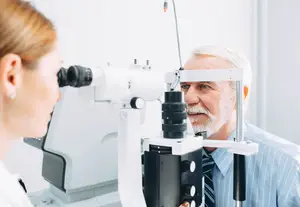
An adult man sitting at a slit lamp while an eye doctor examines his eye.

It’s easy to put an eye exam at the bottom of your to-do list, especially if everything seems fine. Many people only think about their eyes when something feels off. But a comprehensive eye exam at Bettner Vision does far more than check your prescription. It can detect early signs of eye disease and even provide clues about your overall health.

While individual needs can vary, most people benefit from a yearly eye exam. An annual visit helps your eye doctor track changes over time, detect early signs of disease, and support your long-term vision health.

Why Regular Eye Exams Matter for Your Health & Vision

It’s natural to think about your eyes only when they feel strained or your vision seems off, and many people treat eye care separately from their general health. A comprehensive eye exam, however, is a key part of your healthcare routine. It’s more than just a check-up for your eyes, it’s a check-up that can offer a look into your whole body.

Think of an eye exam as preventive care for your sight and your overall well-being. It’s simple, comfortable, and often catches issues long before symptoms appear, which gives you peace of mind between visits.

More Than Just a Vision Test

While updating your prescription for glasses or contacts is important, a thorough exam goes much deeper. The eye doctor evaluates how your eyes work together as a team and checks the fluid pressure inside your eyes. These tests help find potential issues before they become serious problems.

A Look at Your Overall Wellness

Your eyes can reveal important clues about your health. During an exam, an optometrist can see the blood vessels in your retina. This direct view can sometimes show early signs of conditions like diabetes, high blood pressure, and high cholesterol, allowing for earlier management. If you have been diagnosed with diabetes, specialized diabetic eye exams are key to protecting your sight.

Eye Exam Timelines for Children & Teens

As a parent, you naturally want to ensure your child has every tool to succeed. It’s completely normal to wonder if their vision is developing correctly, especially since kids can’t always explain what they see. Vision plays a large role in learning, and undetected issues can affect school performance. Fortunately, scheduling regular eye exams with an optometrist can catch and correct problems early, giving your child the support they need to thrive.

  • Infants: One exam between 6 and 12 months
  • Preschoolers: At least one exam between 3 and 5 years
  • School-Age Children & Teens: An exam before first grade and every 1 to 2 years after

Parents often worry that they might miss early signs of vision problems, and that’s completely understandable. Regular exams help make sure your child has the visual foundation they need to learn, play, and grow confidently.

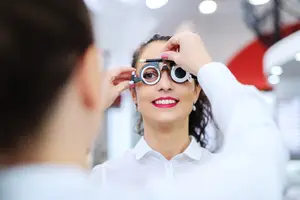
A young girl smiling during a vision test while wearing trial frames in an optometry exam room.

Recommended Exam Frequency for Adults

With work, family, and everything else on your schedule, it’s easy to put off your own eye care. Many adults feel this way, especially when their vision seems fine. But even without symptoms, an annual eye exam is one of the most reliable ways to protect your long-term vision and overall eye health. 

A yearly visit provides peace of mind, helps catch changes early, and ensures you are seeing your best in every area of life.

For Adults with Low Risk Factors

Most adults benefit from a yearly eye exam, even if they have no symptoms or known risk factors. Small changes in vision or eye health can develop quietly, and an annual exam allows your optometrist to monitor these shifts, update your prescription if needed, and check for early signs of conditions that are easiest to manage when caught early.

For Adults with Higher Risk Factors

Your eye doctor may recommend more frequent exams if your health history puts you at higher risk for common eye diseases. This can include if you:

  • Wear glasses or contact lenses
  • Have a family history of eye disease like glaucoma or macular degeneration
  • Have a chronic disease that affects the eyes, such as diabetes
  • Take medications that may have visual side effects

Eye Care Needs for Adults 65 & Older

It’s normal to notice more changes in your vision as you get older, and these shifts can sometimes feel unsettling. Many age-related eye conditions develop slowly and without obvious symptoms at first, which is why consistent care becomes especially important during this stage of life. 

A yearly eye exam helps you stay ahead of those changes and maintain your independence and quality of life.

Annual Exams Are Key

For adults aged 65 and older, an annual eye exam is the standard recommendation. These yearly check-ups allow your doctor to carefully track any changes and catch age-related conditions in their earliest stages. Early detection is often the most important factor in successful management.

Monitor for Age-Related Conditions

Regular visits help your optometrist monitor for conditions that become more common with age. By staying on top of your exam schedule, you give yourself the best chance to address issues like cataracts or glaucoma before they significantly impact your vision and daily activities.

Signs You Need an Eye Exam Sooner

Sudden changes in your vision, like blurriness or floaters, can be alarming. It is smart to pay attention to these signals from your body instead of hoping they go away on their own. Your eyes often provide clues when something is wrong, and some symptoms call for a visit outside your regular schedule for emergency eye care. An eye doctor can quickly find the cause, answer your questions, and put your mind at ease.

Contact a professional if you experience:

  • Sudden blurry or distorted vision
  • Frequent headaches
  • Eye pain or strain
  • Flashes of light or new floaters
  • Difficulty with night driving
  • Increased sensitivity to light

Staying on a consistent exam schedule is one of the best things you can do for your vision. If you have questions about your specific needs or are ready to book an appointment, our team at Bettner Vision is here to help.

Contact us to schedule an appointment with our Colorado Springs optometrist to get the personalized care you deserve.

Written by Dr. Christopher Bettner, OD

Dr. Christopher Bettner has been serving the optometric needs of Colorado Springs since 1995. He is trained in ocular pathology with an emphasis in the treatment and management of ocular disease, including diabetic retinopathy, glaucoma, and pre- and post-operative care.

More Articles By Dr. Christopher Bettner, OD

Our Blog

The information you need, when you need it. 

Read our blog for the latest eye care and eyewear news.

Our Address

Bettner Vision is conveniently located in the Marketplace at Briargate, on the corner of North Union Boulevard and Family Place. You can find us beside Sushi Rakkyo and the T-Mobile store.

  • 9205 N Union Blvd. #110
  • Colorado Springs, CO 80920

Contact Information

Hours of Operation

  • Monday: 8:00 AM 5:00 PM
  • Tuesday: 8:00 AM 5:00 PM
  • Wednesday : 8:00 AM 5:00 PM
  • Thursday : 8:00 AM 5:00 PM
  • Friday : 8:00 AM 5:00 PM
  • Saturday: By Appointment
  • Sunday: Closed
instagram facebook facebook2 pinterest twitter google-plus google linkedin2 yelp youtube phone location calendar share2 link star-full star star-half chevron-right chevron-left chevron-down chevron-up envelope fax